A New Era of Wedding Floral Design
Wedding flowers are becoming less about following a prescribed formula and more about creating a personal atmosphere. Couples are moving away from familiar arrangements and traditional checklists. Florists are responding by reinterpreting nostalgic blooms, rethinking centerpiece designs, and using color to shape the mood of a celebration.
This shift reflects a broader change in modern wedding design. Couples no longer choose flowers simply because they have always appeared at weddings. Instead, they seek arrangements that feel expressive, unexpected, and connected to the personality of their event.
Michelle Edgemont, sales director at Poppy Flowers, has observed several developments shaping the future of wedding florals. Among them is the return of flowers once considered ordinary.
Gerbera Daisies Make a Stylish Comeback
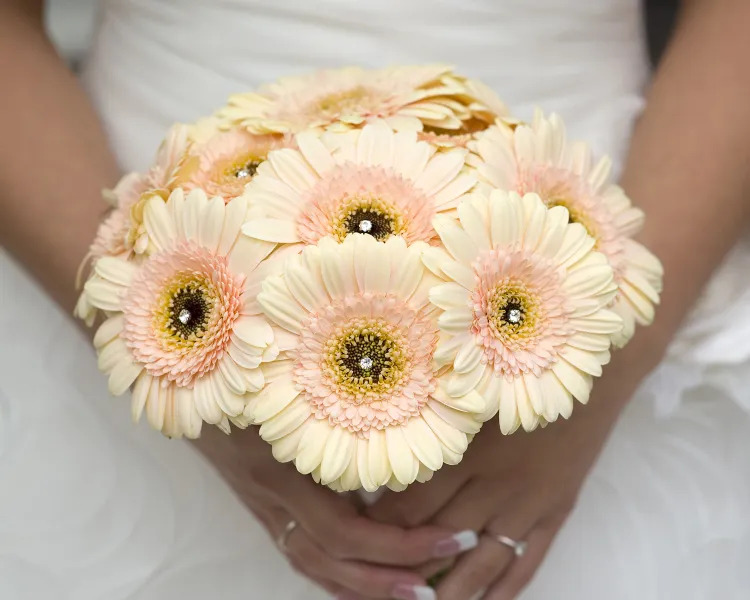
Gerbera daisies are attracting renewed attention. Once associated with casual bouquets and traditional celebrations, these flowers are being reconsidered through a contemporary lens. Their graphic shape, sturdy stems, and wide range of colors make them surprisingly versatile.
Edgemont has noticed them appearing more frequently at weddings. The secret often lies in scale and composition. When florists use gerberas in abundance or arrange them asymmetrically, the flowers can shed their old-fashioned associations. They instead take on a sculptural, editorial quality.
Their strong silhouettes allow them to function as more than supporting flowers. They can become the main design feature.
Gerberas also work well across different parts of a wedding. They can feature in bridal bouquets or appear as individual stems in boutonnieres. Their durability makes them practical for outdoor ceremony structures. Larger installations can transform them into colorful escort-card displays or floral seating charts.
Ultimately, their appeal reflects a growing desire for personality. Couples are embracing flowers that feel playful, nostalgic, or unconventional, especially when modern styling gives them a fresh identity.
Vaseless Centerpieces Create a Natural Look
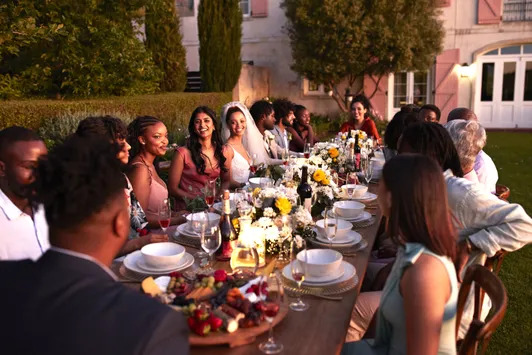
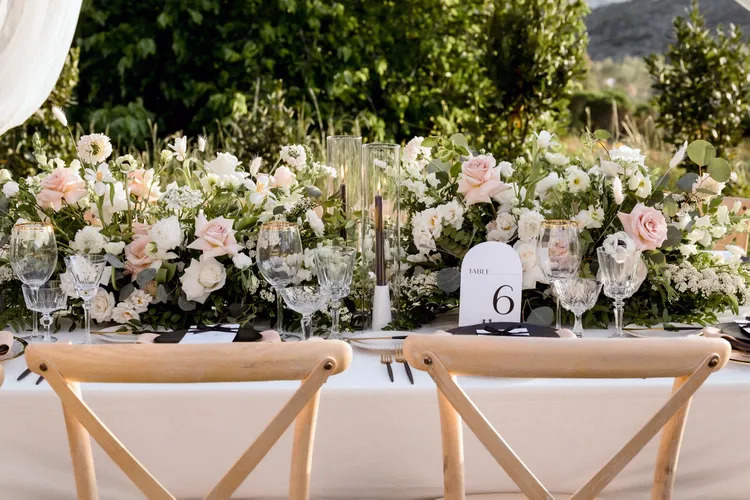
Another trend gaining attention is the vaseless centerpiece. Instead of placing flowers inside visible containers, florists create arrangements that appear to emerge directly from the table.
Depending on the flowers and composition, the result can feel like a natural meadow or a carefully constructed sculpture.
This approach also reflects how couples are rethinking the dining experience. Low floral arrangements keep sightlines open and make conversation easier across the table. Guests can remain connected throughout the meal.
For celebrations centered on food, conversation, and togetherness, floral design becomes part of the social experience rather than simply decoration.
The style can suit a range of aesthetics. Loose compositions create the impression of a garden spreading naturally across the table. Structured arrangements offer a more architectural and contemporary effect. Without a visible vase, the flowers become the dominant visual element.
Scale remains important, however. Small floral details can disappear in photographs or large reception spaces without enough volume. A cluster of small arrangements surrounded by candles may create greater impact than a single bud vase.
As with any floral decision, successful design depends on balancing beauty, scale, and practicality.
Bright Colors Bring Joy to Wedding Flowers
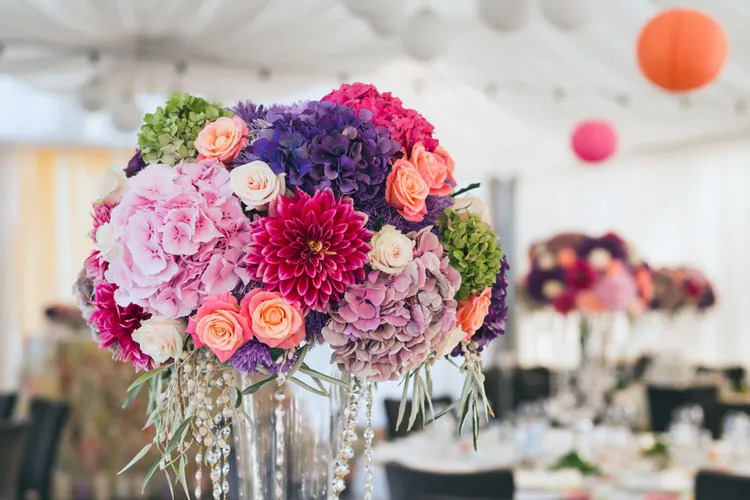
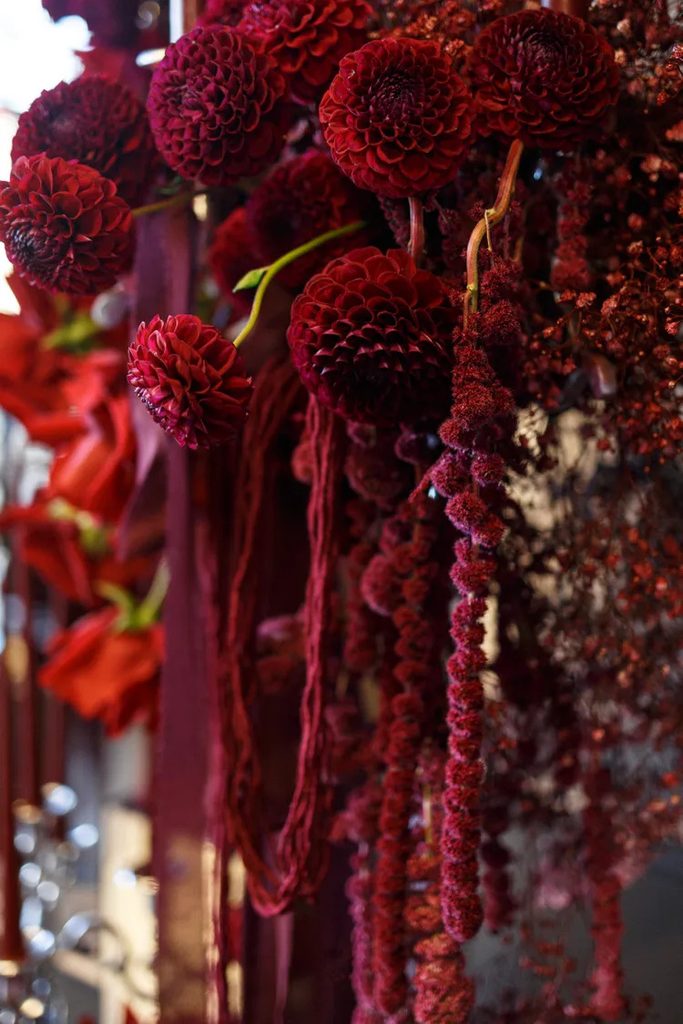
Color is also moving in a more optimistic direction. After years of muted neutrals, restrained palettes, and darker romantic tones, florists are seeing renewed interest in brighter combinations.
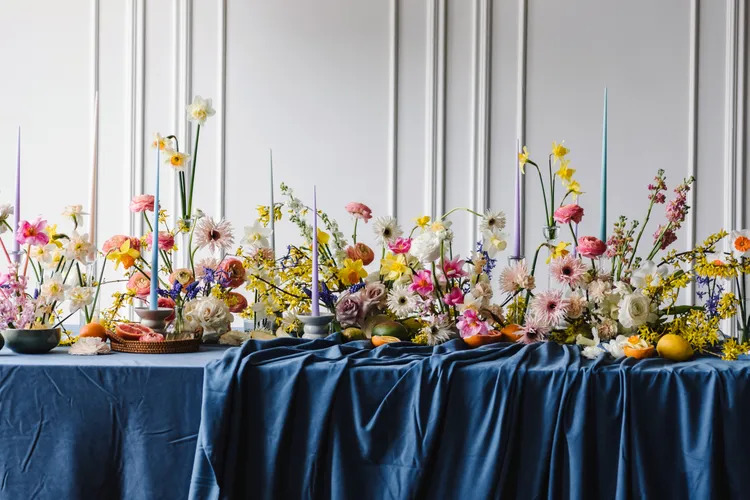
This shift does not mean every reception needs a rainbow of colors. Couples can introduce energy through softer interpretations of vivid shades. Citrus-inspired tones, cheerful coral, butter yellow, lively pinks, and fresh greens offer plenty of possibilities.
These colors can appear in flowers, linens, candles, stationery, and other decorative details. Together, they create a celebratory atmosphere without overwhelming the space.
Color also influences the emotional character of a wedding. Floral arrangements do more than decorate tables. Their shades, scale, and movement can shape how an entire room feels.
Warm tones can create intimacy and energy. Brighter combinations can make a celebration feel playful, youthful, and optimistic.
Looking Ahead to 2027
As couples continue to use weddings as opportunities for personal expression, joyful colors may become even more prominent in 2027.
Rather than asking which colors traditionally belong at weddings, couples are increasingly asking which palettes reflect their personalities.
This approach puts individual expression ahead of convention. It also allows floral design to connect more closely with the overall atmosphere of the celebration.
Are Pearl-Heavy Floral Arrangements Losing Their Appeal?
Not every wedding trend maintains its popularity. Wedding design can become oversaturated when details that look distinctive in curated photographs appear repeatedly across celebrations.
Pearl-heavy floral arrangements are one example that may be losing some momentum.
Pearls can create a refined, romantic effect when used selectively. However, incorporating them extensively into floral arrangements can require considerable effort without producing an equally significant visual transformation.
In large installations, the time and labor needed to place individual pearls may not translate into a noticeable difference once guests view the flowers within the wider reception space.
This changing attitude reflects a broader principle in contemporary wedding design: details work best when they serve the overall experience.
Couples are becoming more selective about where they invest time, money, and visual attention. They increasingly favor elements that contribute meaningfully to the atmosphere rather than simply following popular trends.
The Future of Wedding Flowers
The most exciting wedding flower trends are not necessarily the most elaborate. They are the ones that give familiar ideas a fresh identity.
Gerbera daisies can become unexpectedly sophisticated through scale and structure. Vaseless centerpieces can integrate flowers more naturally with the dining table. Bright colors can replace restraint with optimism. Even fading trends offer a lesson in the value of thoughtful design.
As wedding celebrations become more personal, floral design is moving in the same direction. The future belongs to arrangements that feel intentional rather than obligatory, expressive rather than predictable, and beautiful because they contribute to the story a couple wants their wedding to tell.