In Southern Italy, olive oil is far more than a kitchen staple. It is part of the landscape, cuisine, and cultural memory of generations. Its history in the region stretches back centuries. Archaeological evidence reveals just how deeply olive oil has shaped everyday life. A bottle dating to 79 AD was discovered among the ruins of Pompeii, offering a tangible reminder of its ancient connection to Southern Italy.
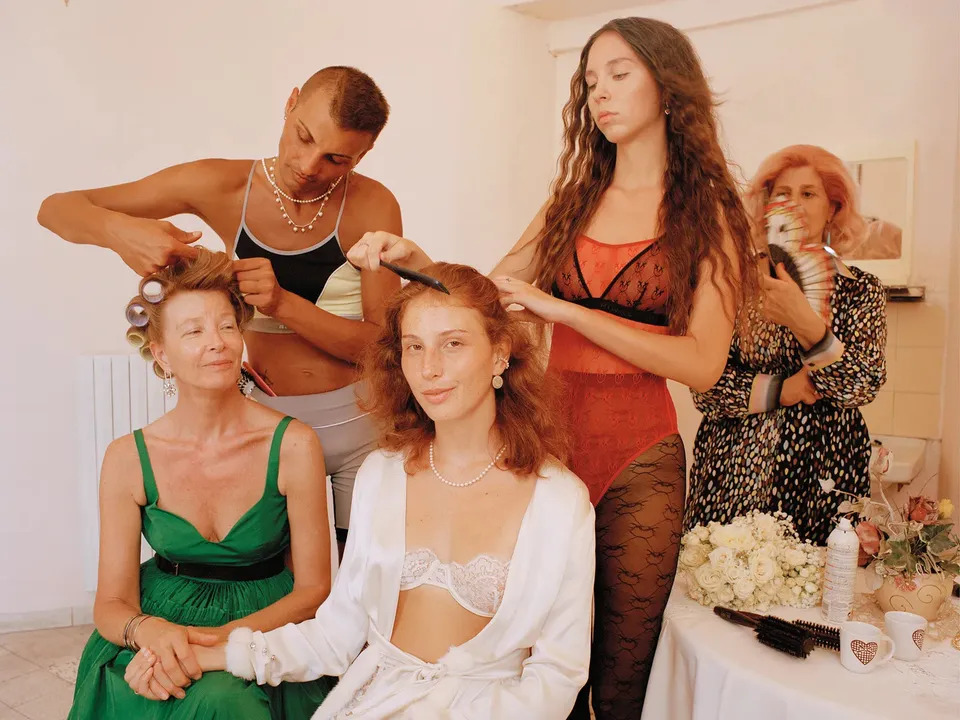
That history takes on a more intimate meaning in bridal traditions. For generations, families have incorporated olive oil into beauty rituals. For a bride, this practice can represent more than preparation for the wedding day. It can connect her to her family, homeland, and customs that existed long before modern beauty products transformed bridal routines.
Olive Oil in Traditional Bridal Beauty
Southern Italian households have traditionally valued olive oil for its nourishing qualities. People have used it on their skin and hair as part of natural beauty practices. It has long been associated with softness, moisture, and personal care.
Before shelves filled with specialized creams, serums, and treatments, household ingredients served many purposes. Olive oil was among the most versatile. Its place in Southern Italian bridal culture reflects this connection to everyday life.
The same oil found in a family kitchen could become part of a bride’s preparation. Through this simple practice, an ordinary ingredient takes on a more ceremonial meaning.
A Ritual Passed Through Generations
This transformation gives the ritual its emotional power. Weddings bring families together around traditions that often remain quietly embedded in daily life. A beauty ritual involving olive oil can create a moment of connection between generations.
Older family members may share familiar practices with a bride as she prepares to enter a new stage of life. The ritual becomes more than a beauty treatment. It offers a way to preserve memories and maintain a connection to family heritage.
The Symbolism of the Olive Tree
The symbolism of olive oil is also inseparable from the olive tree itself. Across Mediterranean cultures, the tree has long been associated with endurance, peace, fertility, and continuity.
Olive trees can live for centuries, surviving changing seasons and generations of human history. Their longevity makes them a fitting symbol for wedding traditions centered on the hope for a lasting marriage.
For Southern Italian families, the ritual can carry several meanings at once. It reflects beauty and care, while also evoking abundance, family heritage, and a relationship with the land.
Olive oil is not precious because it is rare. Its value comes from how deeply it belongs to the region and its traditions.
Traditional Beauty in Modern Weddings
Modern bridal beauty offers an almost limitless selection of products. Yet olive oil continues to hold a special appeal because of its simplicity. It requires neither elaborate packaging nor complicated instructions. Its significance comes from memory, familiarity, and repetition.
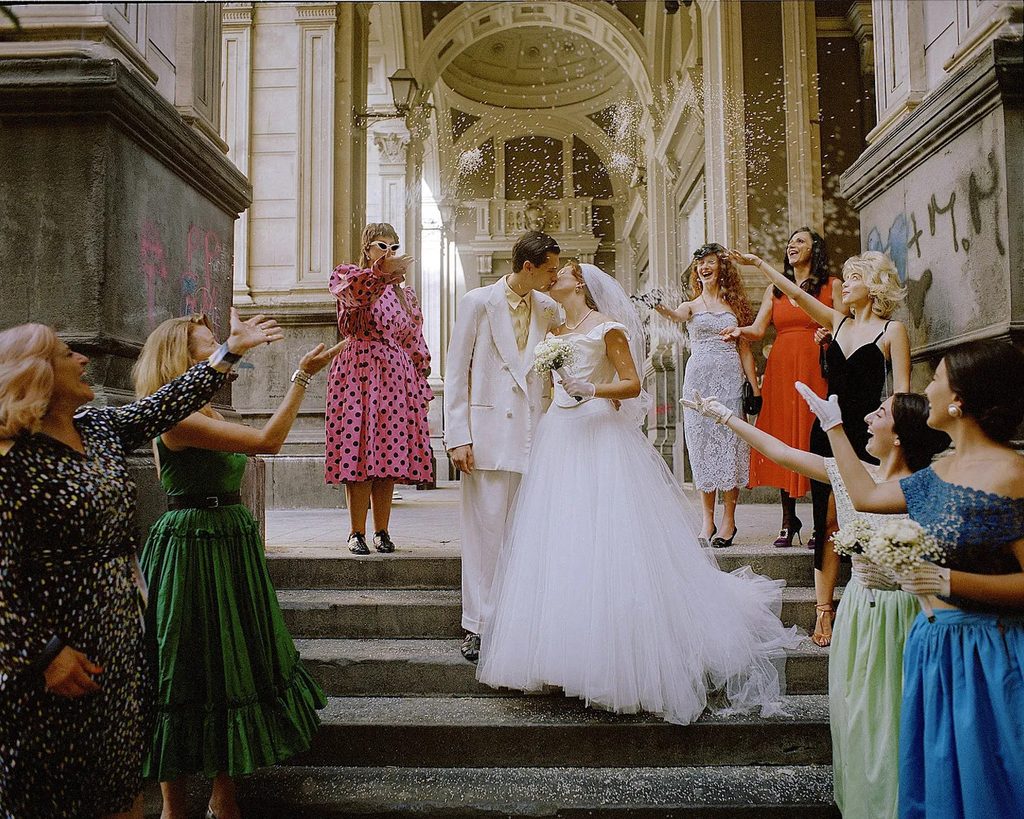
There is something quietly beautiful about including an everyday ingredient in one of life’s most important celebrations. The bride is not simply following a beauty routine. She is participating in a tradition that connects the intimate rituals of home with the public celebration of marriage.
As contemporary Italian weddings evolve, traditions like these show how cultural heritage can remain relevant. They do not have to stay frozen in the past. Families can adapt and reinterpret them while preserving their emotional foundations.
A Lasting Connection to Southern Italian Heritage
For a Southern Italian bride, olive oil can represent much more than a natural beauty ingredient. It can symbolize a connection to the women who came before her, the Mediterranean landscape, and a cultural history that has endured for centuries.
In a wedding world increasingly shaped by changing trends, that sense of continuity may be the ritual’s greatest beauty of all.