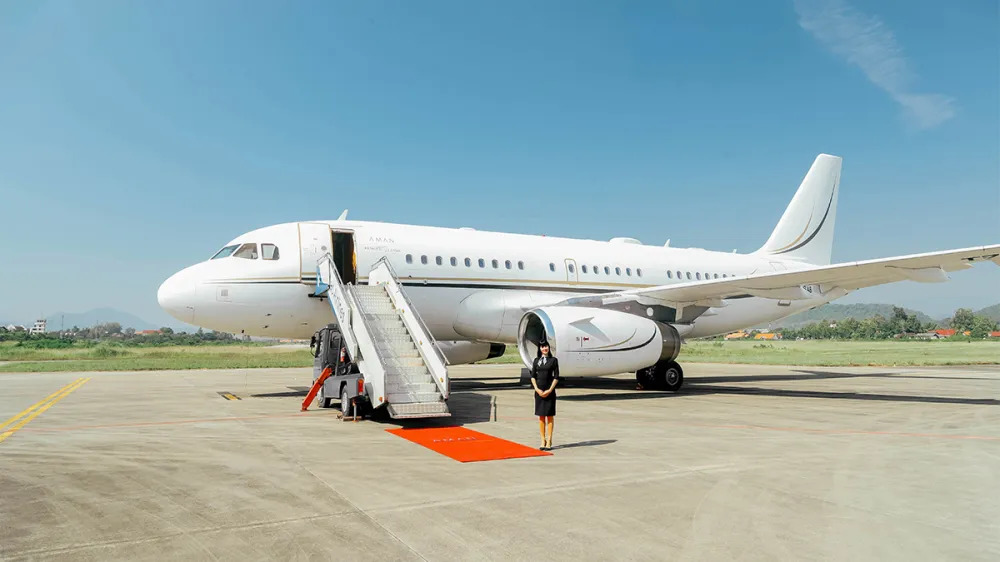
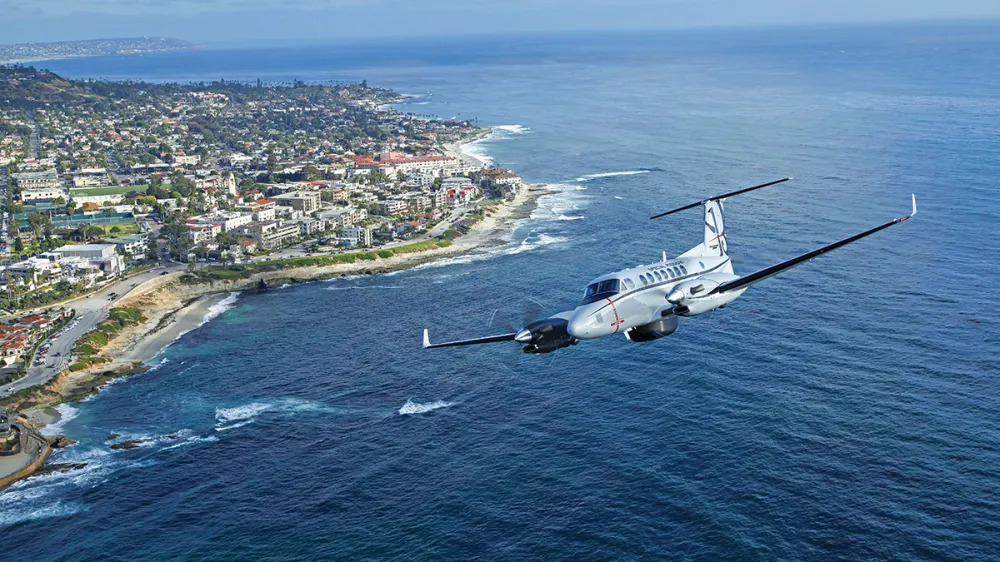
For decades, turboprop aircraft have served a practical role in aviation. Travellers have valued them for reaching difficult destinations rather than for the glamour of private jets. Their reputation rests on rugged construction, short-runway performance and versatility. Now, a new generation is changing that image. These aircraft combine go-anywhere capability with refined cabins, advanced technology and comfort that rivals larger private aircraft in some respects.
Versatility Gives Turboprops a Competitive Edge
Turboprops offer an important advantage: access. They can operate from shorter runways and reach airports that many conventional business jets cannot use. This makes them well suited to mountainous regions, remote destinations and airfields with limited infrastructure.
For travellers who venture beyond major aviation hubs, that flexibility can make a significant difference. Industry analyst Brian Foley has compared the category to a rugged SUV. The comparison reflects the aircraft’s ability to carry substantial loads while handling demanding environments.
Premium Cabins Transform the Passenger Experience
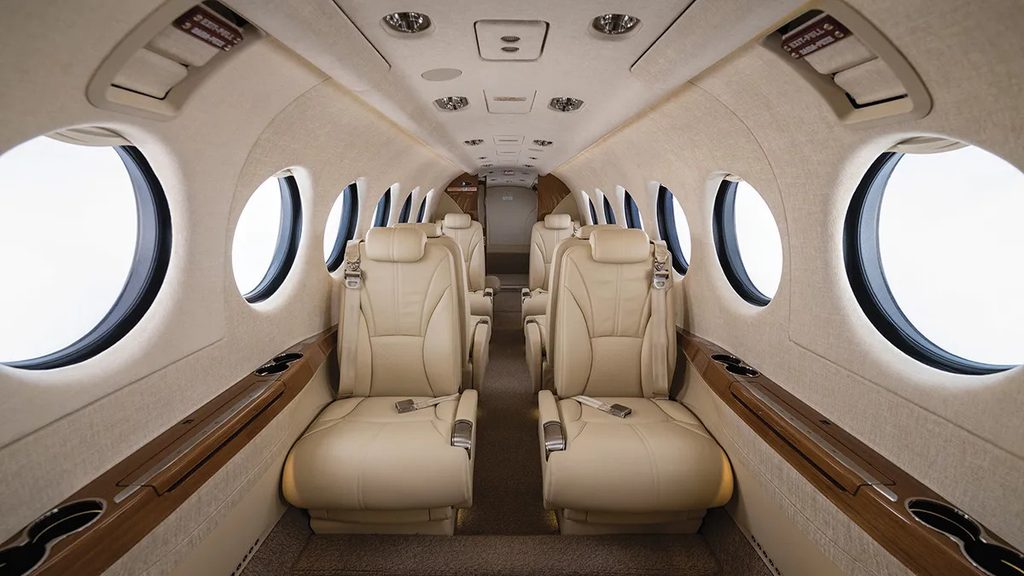
The twin-engine Beechcraft King Air 360ER illustrates this evolution. Once viewed mainly as a practical workhorse, it now demonstrates the segment’s growing focus on premium travel. Owners can customise the cabin with quality materials and personalised finishes. These options create an environment that balances comfort with functionality.
Single-engine aircraft are following a similar path. The Pilatus PC-12 Pro, Daher TBM 980 and upcoming Beechcraft Denali combine performance with flexible operations. Their interiors also cater to travellers who expect greater comfort and refinement.
These developments appeal to owners who may already have access to larger jets. A modern turboprop can offer a more practical option for shorter trips and destinations with challenging airport infrastructure.
Pilatus has placed particular emphasis on cabin design. The company describes its redesigned interior as more sophisticated, with BMW Designworks contributing to the cabin concepts. Improved exterior visibility and additional storage enhance the layout. Taller executive seats with hand-stitched leather add another layer of comfort.
Connectivity and Technology Enhance Private Flights
Technology has also transformed the passenger experience. Satellite connectivity allows travellers to stream entertainment, join video calls and stay connected during flights. These features reduce some of the traditional compromises associated with smaller aircraft.
Families, groups of friends and business travellers can benefit from this convenience. Passengers can remain productive or entertained while travelling to destinations that larger aircraft may struggle to reach.
Cockpit technology has advanced alongside cabin design. Pilatus and Daher have adopted Garmin’s G3000 Prime avionics system. Its touchscreen controls, larger displays and streamlined menus aim to make essential information easier to access.
The system also helps pilots maintain awareness of the aircraft and its surroundings. By simplifying access to key information, modern avionics can improve the cockpit experience while supporting efficient flight operations.
Safety Systems Add Another Layer of Confidence
Safety technology forms another important part of this evolution. Garmin’s Autoland capability can take control during an emergency if a pilot becomes incapacitated.
The system can issue an emergency signal, assess weather conditions and select a suitable airport. It can also communicate with air traffic control and guide the aircraft through a landing.
For private aviation customers, this capability offers an additional layer of reassurance. It also shows how manufacturers are combining advanced technology with the practical advantages of smaller aircraft.
Beechcraft Denali Points Towards the Future
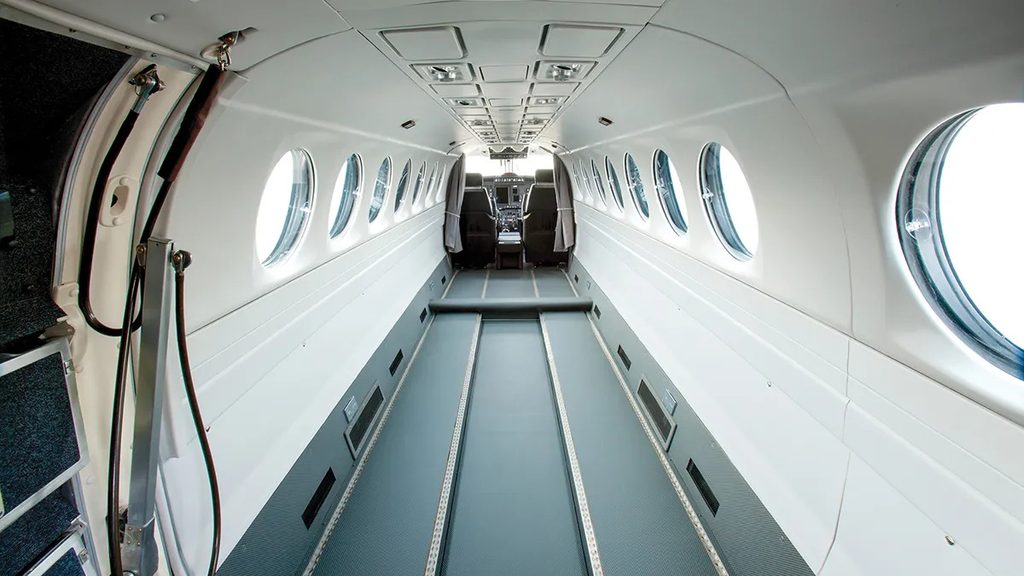
One of the most closely watched developments is the Beechcraft Denali. The aircraft is expected to enter service in the future and brings together several qualities that now define the modern turboprop category.
GE Aerospace’s Catalyst engine will power the Denali. The engine aims to deliver greater cruise power, improved fuel efficiency, lower emissions, increased durability and longer range.
These features could make the Denali an important development for the segment. Manufacturers are working to narrow the perceived gap between private-jet comfort and turboprop flexibility. Their goal is to offer travellers both within a single aircraft.
A New Definition of Luxury Aviation
This shift reflects a broader change in luxury aviation. High-end travel does not always require the largest or fastest aircraft. For some travellers, the greater luxury lies in reaching a destination directly, landing closer to the final stop and avoiding dependence on major airports.
Modern turboprops increasingly serve that purpose. Premium materials, refined cabins, satellite connectivity, advanced avionics and capable engines have moved them beyond their traditional utilitarian image.
The category now occupies a distinctive position between rugged utility and private-jet refinement. These aircraft can serve business trips, mountain retreats and remote escapes without losing sight of practical performance.
The turboprop may once have resembled an aviation toolbox. Today, the newest models combine that same versatility with an increasingly sophisticated passenger experience. For travellers who value both access and comfort, that combination is becoming an appealing alternative in private aviation.