Artificial intelligence is beginning to reshape luxury hospitality in ways that extend far beyond futuristic predictions. At some of the world’s most sophisticated hotels, AI is helping guests plan journeys, navigate unfamiliar destinations, communicate across languages, and reduce food waste. As the hospitality industry explores a more digitally connected future, several five-star properties are demonstrating how artificial intelligence can serve practical needs.
World Tourism Day 2026, observed on September 27 under the theme “Digital Agenda and Artificial Intelligence to Redesign Tourism,” offered an opportunity to examine these changes. From a digital concierge in Spain to an AI travel assistant serving Accor’s hotel portfolio, a food-waste monitoring system in Jakarta, and a multilingual hologram in Kuala Lumpur, these examples reveal different ways AI can influence luxury travel.
Four Seasons Kuala Lumpur Brings AI to Events
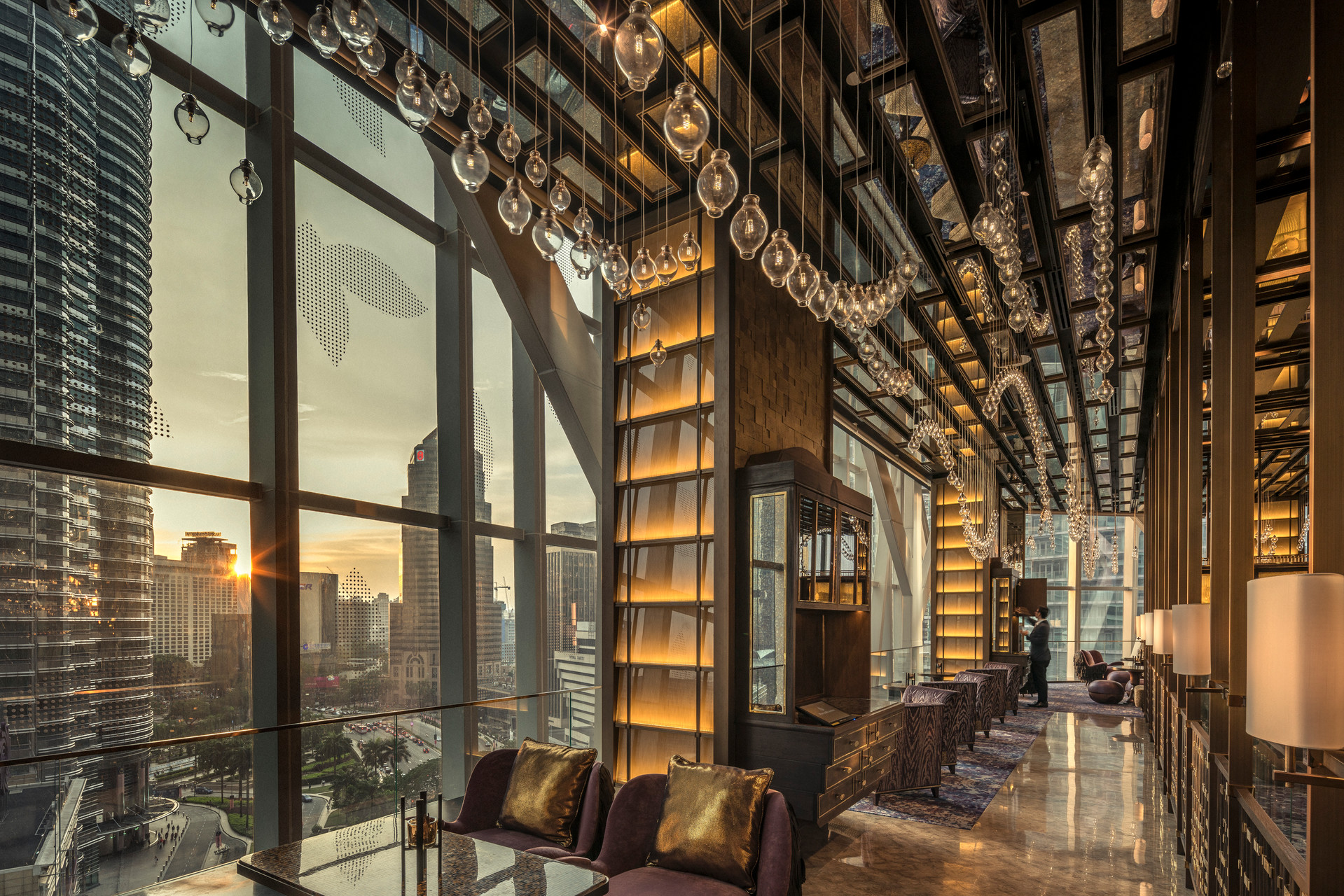
At Four Seasons Hotel Kuala Lumpur, artificial intelligence is making its most visible appearance in the hotel’s event spaces. Introduced as an optional feature for meetings, celebrations, and weddings, the technology includes an assistant designed to help attendees with check-in and event information.
The system also offers real-time interpretation in more than 40 languages and a holographic emcee capable of delivering messages in multiple languages. Event organisers can also use AI-generated highlights to capture important moments shortly after a gathering concludes.
Rather than introducing AI into every part of a hotel stay, the Kuala Lumpur approach focuses on situations where technology can solve practical challenges. Large gatherings often involve complex schedules and guests from different linguistic backgrounds. Digital assistance can make these occasions easier to coordinate.
The result is an unusual intersection of hospitality and entertainment. A hologram delivering a wedding speech might sound more like science fiction than traditional luxury service. However, multilingual communication and streamlined event management can make international celebrations more accessible.
Torre del Marqués Introduces a Digital Concierge
In Spain’s Matarraña region, AI takes a quieter form. At Torre del Marqués Hotel Spa & Winery, a boutique property with 18 rooms, the digital concierge is called Marta. Presented as a three-dimensional avatar through guest tablets, Marta is available around the clock and can communicate in six languages, according to the supplied information.
Her role extends beyond answering basic questions. Guests can seek recommendations for nearby destinations such as Valderrobres and Beceite, arrange truffle-hunting excursions, or make restaurant reservations.
The setting makes this approach particularly interesting. Housed within a restored 18th-century tower and surrounded by vineyards and olive groves, the hotel offers guests an opportunity to explore a distinctive part of rural Spain.
Marta’s value lies in connecting travellers with the surrounding region. Rather than simply functioning as a digital directory for hotel services, the concierge can help guests discover local experiences and plan activities beyond the property.
For smaller luxury hotels, this type of technology offers a way to provide accessible information throughout the day while maintaining a personal connection to the destination.
Raffles London Connects Guests Through AI
In London, artificial intelligence is becoming part of the luxury journey before guests even arrive. Raffles London at The OWO sits within the wider Accor hospitality ecosystem, which launched its ALL Concierge service globally in September 2026 following an earlier pilot.
The platform allows travellers to describe the kind of trip they want, explore hotel options, compare properties, and find practical information. It can also guide users towards reservations and help manage existing bookings.
Available through digital channels including WhatsApp and iMessage, ALL Concierge supports multilingual conversations and assists travellers throughout the planning process.
Importantly, this is a group-wide digital service rather than an AI concierge developed exclusively for Raffles London. It helps potential guests discover and consider properties across Accor’s portfolio, including the historic Whitehall hotel.
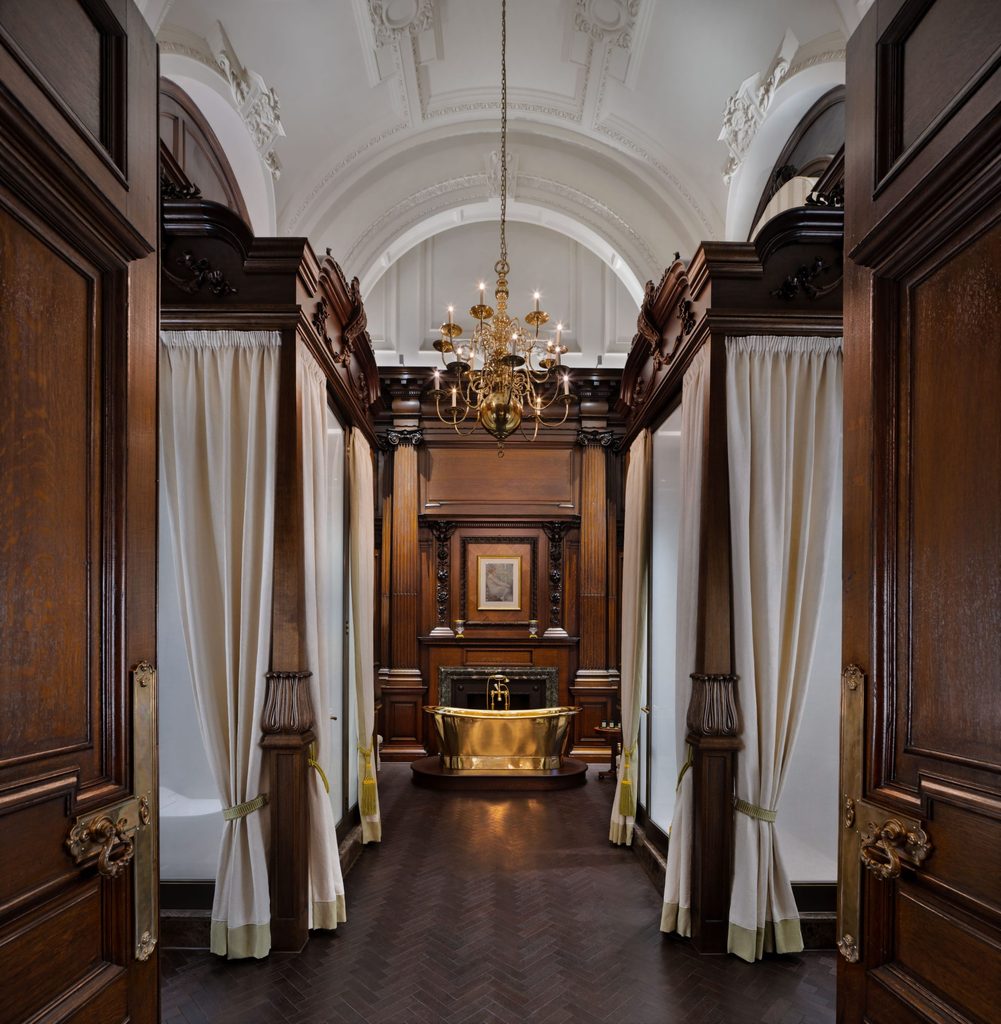
The property itself remains rooted in traditional luxury. Housed within the Edwardian Old War Office, Raffles London combines historic architecture with contemporary hospitality. This creates an interesting contrast between an increasingly digital booking journey and the personal service guests encounter during their stay.
Accor has also introduced The Butler, an AI assistant designed for hotel employees rather than guests. It helps staff access information, guidance, and recommendations more efficiently.
This highlights another important dimension of hospitality technology. Some of AI’s most useful applications may happen away from the guest’s immediate view, helping employees work more efficiently and spend more time attending to guests.
Fairmont Jakarta Uses AI to Reduce Food Waste
At Fairmont Jakarta, artificial intelligence is addressing one of the hospitality industry’s less glamorous but increasingly important challenges: food waste.
The hotel uses a camera-based system to identify and measure food discarded in its kitchens. According to the figures provided in the original article, the technology helped reduce food waste by 16 percent, equivalent to approximately 1.6 tonnes over a year. A subsequent 2026 pilot involving food-waste organisations WRAP and IFWC reportedly delivered a further reduction of 25 percent.
For a large luxury property with extensive food and beverage operations, these figures point to the potential value of better data.
Understanding which foods are discarded and how much is wasted can help kitchen teams review purchasing, preparation, and portion sizes. Over time, this information may support more efficient operations and reduce unnecessary waste.
Guests may never see the technology at work, but its influence can extend to the way kitchens function and resources are managed.
The example also demonstrates that AI in luxury hospitality is not limited to guest-facing experiences. Technology can contribute to sustainability and operational improvements without becoming a visible part of the guest journey.
AI Is Supporting the Human Side of Hospitality
Together, these examples illustrate a broader shift in luxury hospitality. Artificial intelligence does not necessarily need to replace human service to be valuable. In many cases, its most effective role is to support employees, remove friction from travel planning, and solve operational problems that guests may never notice.
That distinction matters because luxury has traditionally been built around personal attention. Guests expect thoughtful service, individual recognition, and the freedom to enjoy their stay without unnecessary complications.
The strongest applications of AI are therefore those that offer greater convenience without diminishing the human element. A digital concierge can provide information at any hour. A translation system can help international guests communicate. An employee assistant can make it easier for hotel teams to find answers, while a kitchen monitoring system can help reduce waste.
Each application addresses a different challenge, but the underlying principle is similar: technology should make the experience more seamless rather than become the experience itself.
The Future of AI in Luxury Hotels
The future of hotel AI may not be defined by robot butlers or fully automated properties. Instead, it could emerge through quieter improvements that make travel more convenient and hotel operations more intelligent.
A traveller might use an AI assistant to plan a journey, rely on a digital concierge to discover a local excursion, or attend an international event where language barriers are reduced through real-time interpretation. Behind the scenes, hotel teams may use similar systems to make better decisions and manage resources more effectively.
These developments also raise an important question for the luxury sector: how can hotels adopt new technology while preserving the personal attention that makes a stay memorable?
The answer may lie in treating artificial intelligence as a supporting tool rather than a substitute for hospitality. Technology can help organise information, simplify routine tasks, and improve access to services. Human judgement, empathy, and personal interaction remain central to the experience.
For travellers, that may be the most meaningful version of technological luxury. The best AI does not always announce itself. It simply makes the journey smoother, the service more responsive, and the operation behind the scenes more efficient, allowing the human side of hospitality to remain at the centre.