Luxury travel is entering a more personal era. For years, the category was largely defined by prestigious addresses, flawless service, expansive suites, and the visible markers of exclusivity. Today, affluent travelers are increasingly looking for something less tangible and, in many ways, more valuable: the freedom to decide how they want to experience a journey.
That shift is changing what luxury means for hotels, resorts, cruise companies, and destinations. Travelers may still expect exceptional service, but they no longer necessarily want an itinerary designed entirely for them. One day might call for complete privacy and uninterrupted relaxation, while the next could involve a deep dive into local culture, a major sporting event, a concert, or an intimate culinary experience.
Tom Rowntree, vice president of global luxury brands at IHG Hotels & Resorts, describes luxury as an exceptionally broad category because individual expectations vary so widely. The underlying idea is increasingly about choice, allowing travelers to shape an experience around their own priorities at a particular moment.
That flexibility is becoming one of the most important distinctions in high-end travel. Luxury consumers are often seeking access rather than excess, with greater emphasis on experiences that feel personal, authentic, and difficult to replicate. Personalized recognition, convenient services, flexible schedules, and access to local expertise can therefore become more meaningful than simply adding another physical amenity to a property.
For hotel groups, this creates a strategic challenge. The goal is no longer simply to provide a beautiful place to sleep. Hotels increasingly need to understand why a guest is traveling and become part of the larger purpose behind the trip. That might mean connecting a traveler with a wellness experience, a chef, a cultural guide, a family activity, or an event taking place elsewhere in the destination.
Travelers are also becoming more interested in going deeper into destinations. In Asia-Pacific, markets such as Japan, Vietnam, and Malaysia are seeing growing interest from luxury travelers, but the opportunity extends beyond their most familiar cities.
Japan illustrates this evolution particularly well. Tokyo, Kyoto, and Osaka remain important gateways, but travelers who develop a strong connection with Japanese culture may eventually want to explore less familiar regions. That can mean visiting a ski destination, discovering regional food traditions, or spending time in landscapes far removed from the country’s busiest tourist centers.
Hotel development is beginning to reflect that appetite for discovery. New luxury properties in destinations such as Myoko and Karuizawa can provide access to experiences that feel distinct from the traditional Japanese itinerary.
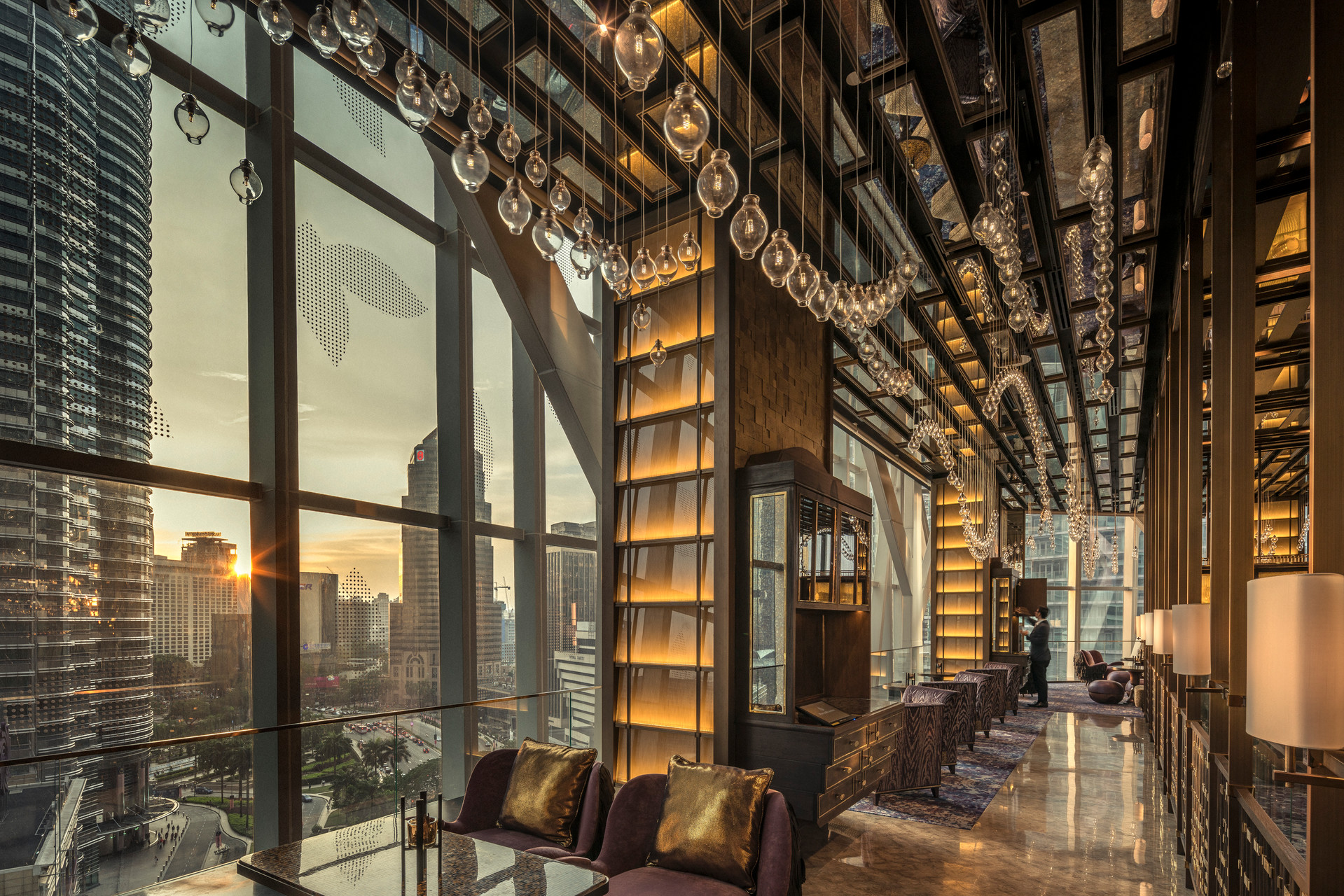
Malaysia offers another example. Despite its established infrastructure, cuisine, and cultural appeal, the country’s luxury hotel supply remains comparatively limited. New high-end developments in destinations such as Penang and Kuala Lumpur suggest that luxury demand can expand into markets where travelers are looking for something beyond the most established global destinations.
Smaller destinations can benefit from the same philosophy. Nevis, for example, has built its appeal around preserving a sense of authenticity rather than attempting to become everything to everyone. Experiences such as hiking Nevis Peak, visiting natural hot springs, or learning local cooking traditions can provide travelers with a more intimate definition of luxury.
The hotel itself is also becoming less of a destination and more of a gateway. A concert, restaurant reservation, sporting event, or cultural festival may be the original reason someone books a trip, with the hotel serving as the platform that makes the wider experience easier.
This is pushing luxury brands to build stronger connections with local communities and expertise. Programs that provide insider recommendations or allow guests to book experiences beyond the property can turn a hotel into a more active participant in the journey.
Technology is helping make those choices easier, but human knowledge remains crucial. AI-powered planning and digital tools can simplify research and personalization, while experienced travel professionals can add context and judgment. For affluent travelers, the ultimate benefit is not necessarily more information. It is having the right information presented at the right moment.
Multigenerational travel adds another dimension. Families increasingly travel together to create shared memories, but different generations rarely want identical experiences. Grandparents may value comfort and cultural activities, parents may prioritize wellness or dining, while younger travelers may want adventure and independence.
The strongest luxury offerings will therefore need to accommodate both togetherness and privacy. Flexible accommodation, varied programming, connected spaces, and personalized experiences can allow families to share meaningful moments without requiring everyone to follow the same itinerary.
Ultimately, luxury travel is moving away from the idea that more automatically means better. The new premium is control over time, access to meaningful experiences, and the freedom to change direction without friction.
The most sophisticated traveler may not want the largest suite, the busiest itinerary, or the most recognizable destination. They may simply want the ability to decide what matters to them, when it matters, and how deeply they want to experience it.
That is where luxury travel appears to be heading: not toward more, but toward more meaningful choice.