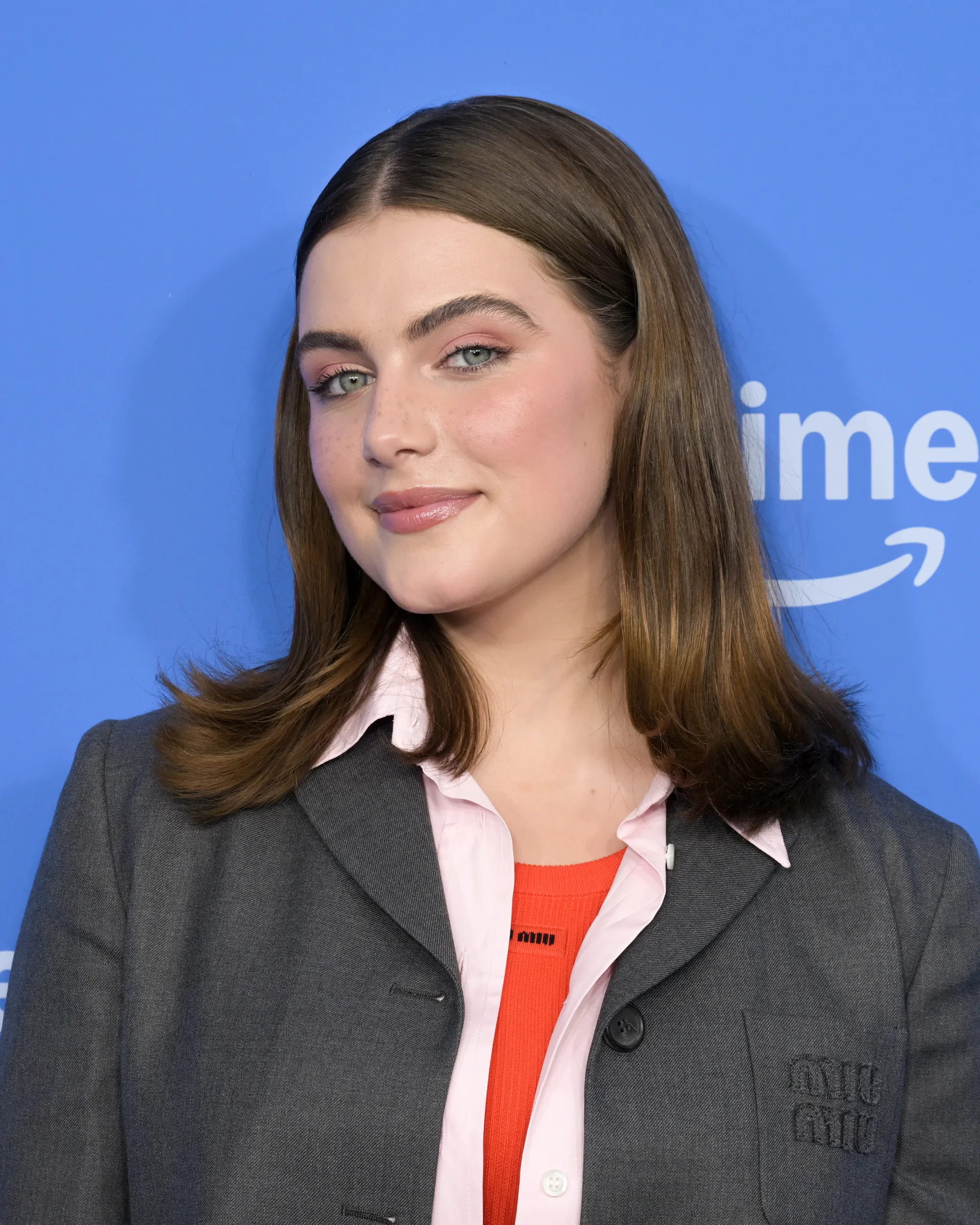
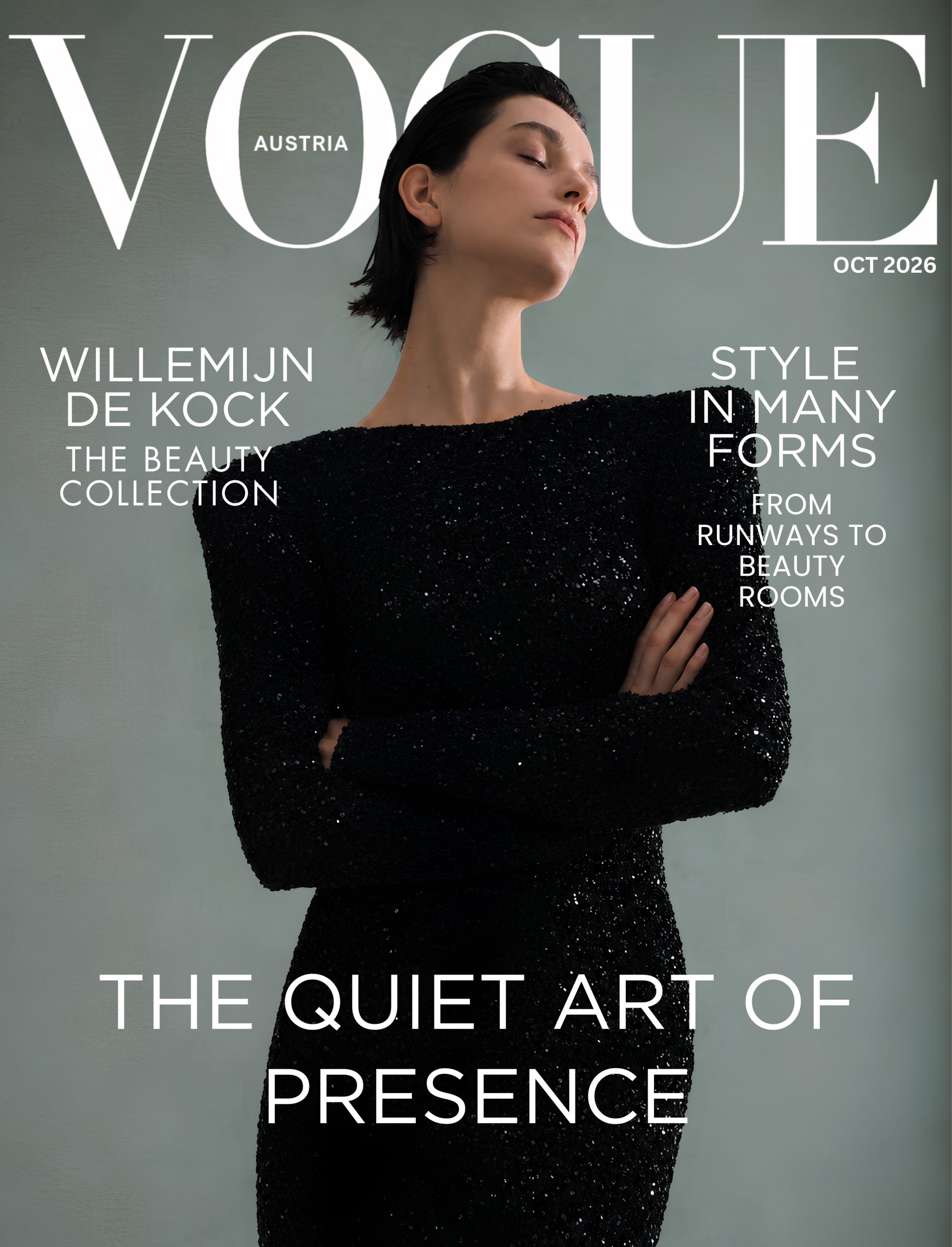
Willemijn de Kockebrates the most visible moments: the walk down a runway, the photograph that captures a collection, the image that becomes part of a season’s visual memory. Yet behind every compelling image is a quieter discipline, built on observation, adaptability, and an understanding of how a person can communicate through movement and expression. Willemijn de Kock’s work in modelling offers a glimpse of that craft, while her interests beyond the camera point to a broader relationship with style and self-presentation.
A Dutch model based in Amsterdam, de Kock has worked with agencies including De Boekers, Next Milan, The Vanguard Management, and MGM Models, with representation also listed through Paola’s Management. Her professional profile connects her to an international fashion network while retaining a distinctly European sensibility. In an industry that moves between cities, teams, and visual languages, the ability to adapt is essential. A model must understand not only the clothes but also the mood and intention that a designer, photographer, or stylist wants to communicate.
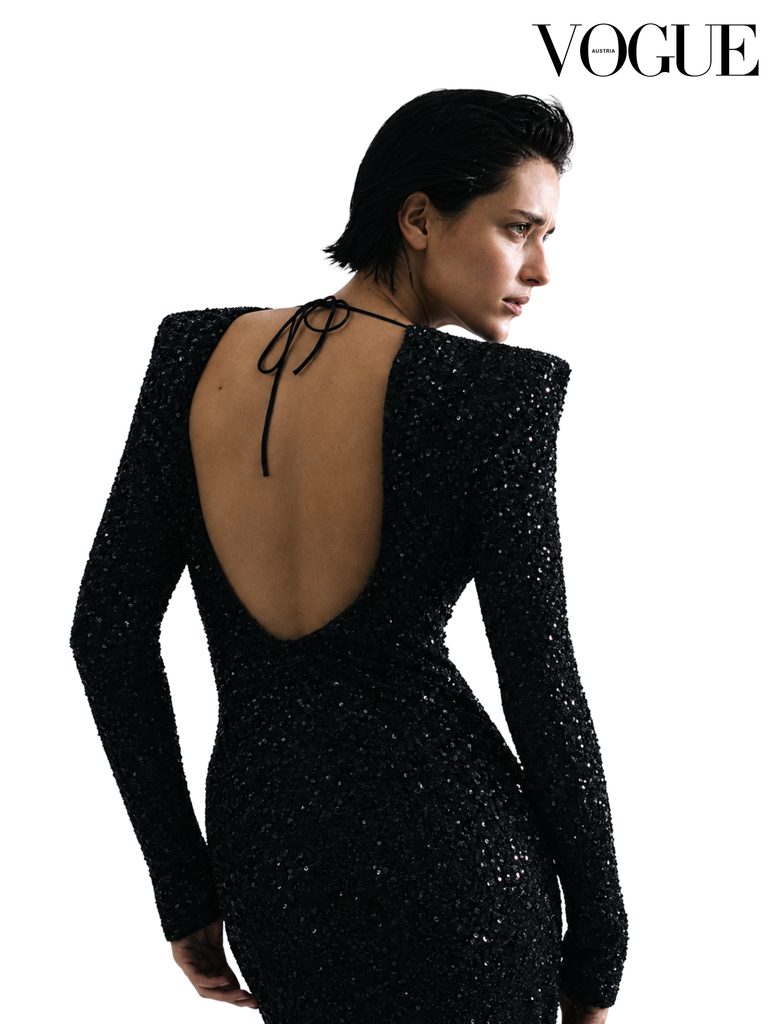
Her recorded runway work includes appearances during Milan Fashion Week in 2019, walking for labels such as Anteprima, Cividini, Maryling, Ricostru, and Au197Sm. These shows reflect the collaborative nature of fashion presentation: each look is part of a larger story, and the model’s role is to bring that story into motion. The work calls for precision, composure, and an awareness of how silhouette, fabric, and gesture interact under the lights.
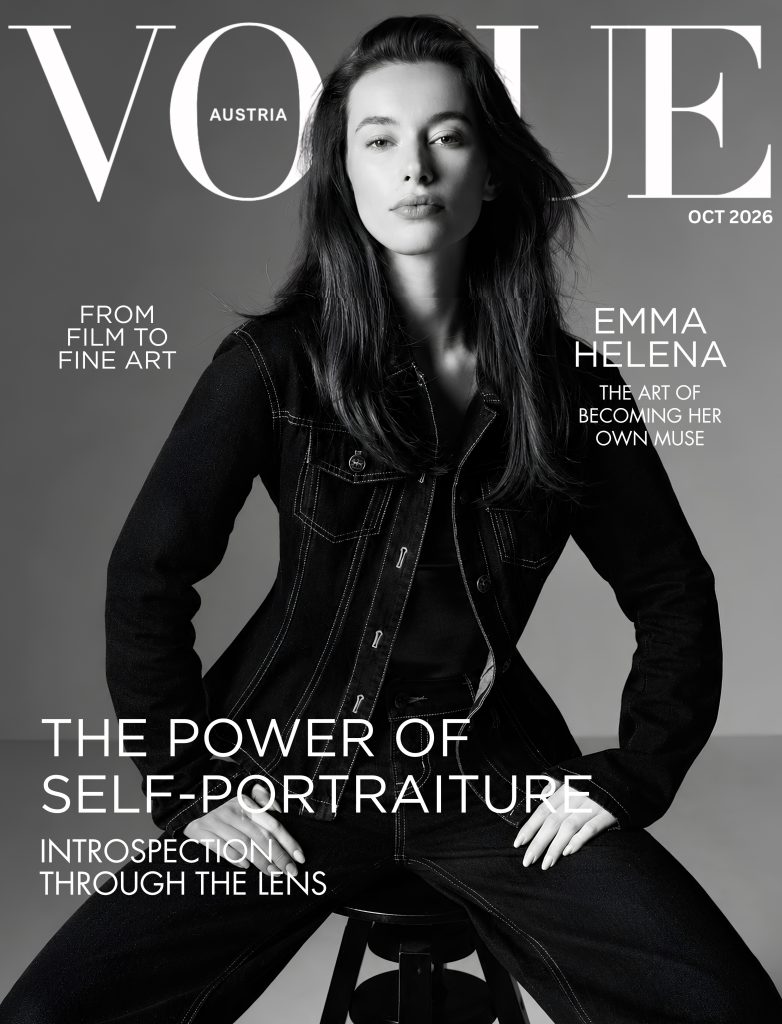
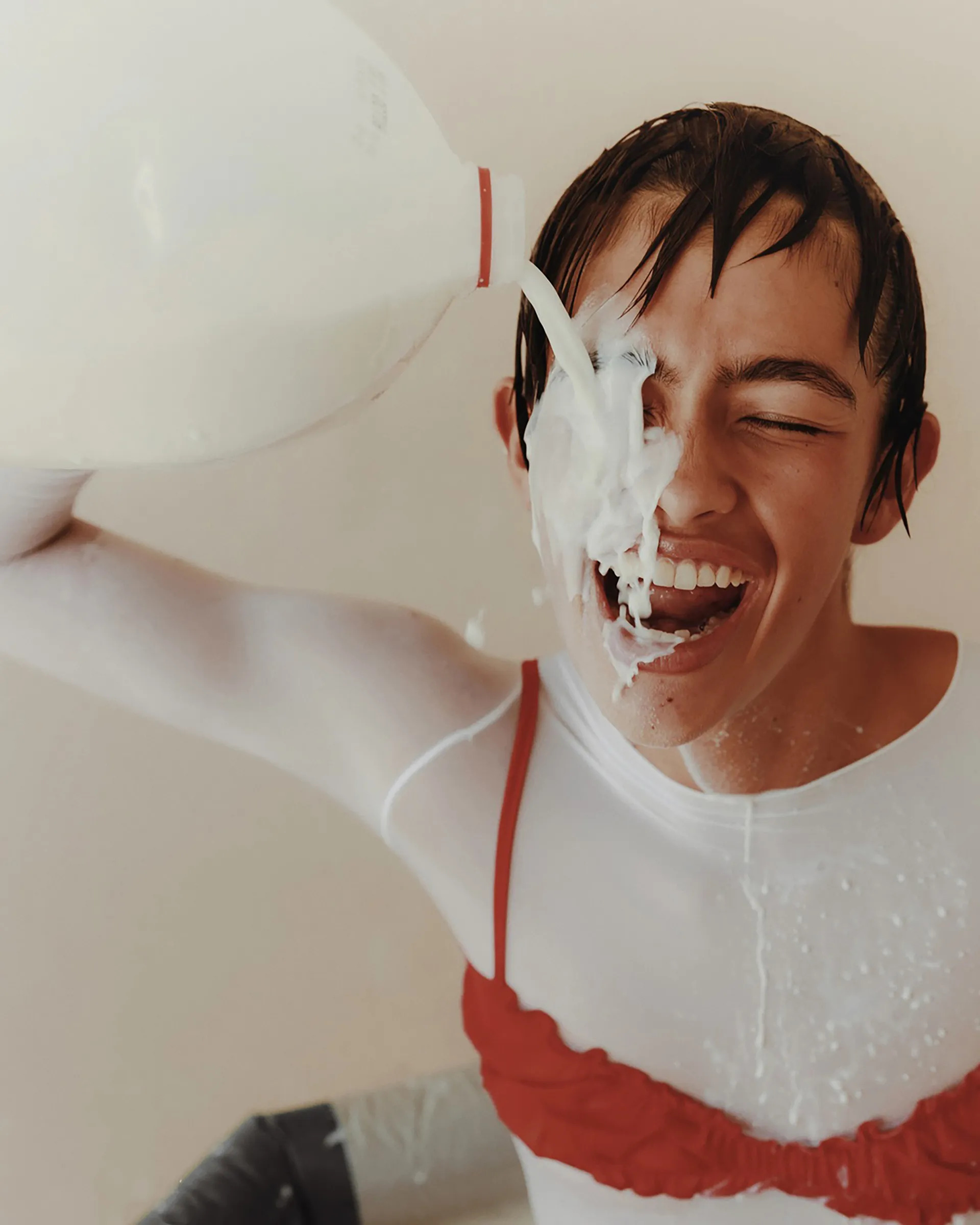
Editorial photography offers a different kind of challenge. In a runway setting, the look is seen in motion and in the company of an entire collection. In a magazine image, a single frame must suggest a mood, a character, or a world. De Kock’s published editorial work has included appearances in ALL Magazine, Gioia, and Women’s Health Turkey. Each setting asks for a different relationship with the camera, from fashion-led composition to images shaped by a publication’s own visual language.
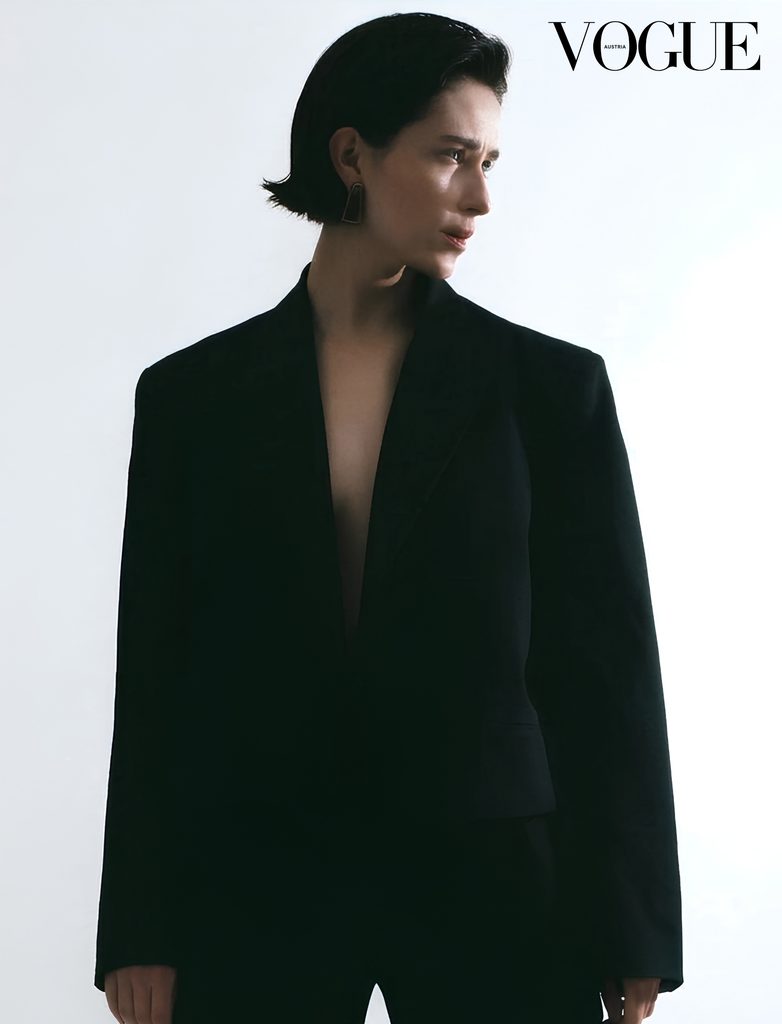
What makes a contemporary creative profile especially interesting, however, is the possibility of moving between disciplines. Public professional information associated with de Kock also identifies work in hair colouring, styling, and extensions. This connection to beauty adds another perspective to her modelling experience. Rather than viewing fashion and beauty as separate worlds, the two can be understood as complementary forms of image-making: one works with clothing and silhouette, the other with texture, colour, and detail close to the face.
Hair and styling are often treated as finishing touches, but their influence can be fundamental. A change in tone or shape can alter the impression of an entire look, while a carefully considered style can bring coherence to a photograph or personal aesthetic. For someone familiar with modelling, this work may offer a useful view from the other side of the camera, where choices are made not only about how a person appears but also about how an overall image is built. It is a practical, hands-on dimension of style that sits naturally alongside fashion work.
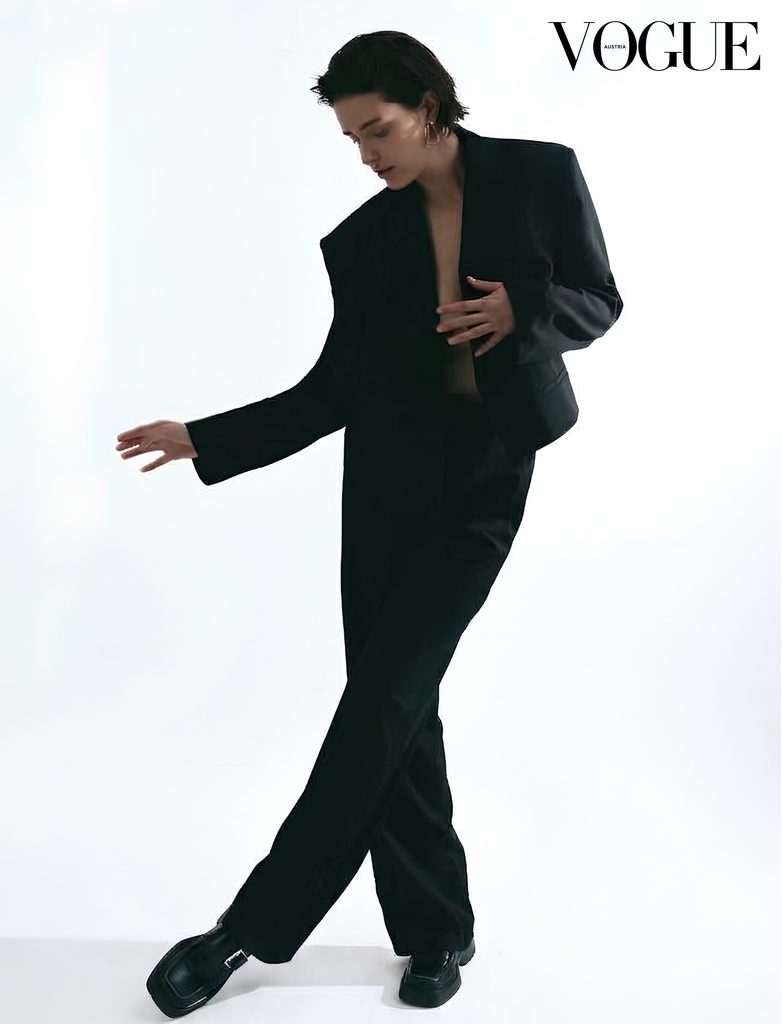
The contemporary fashion landscape increasingly rewards versatility. Models are no longer understood solely through runway appearances or campaign images; audiences and clients are also interested in the range of skills, interests, and perspectives that inform a person’s work. This does not mean every professional must become a public personality or turn each part of life into a brand. In many cases, the more compelling story is a grounded one: a creative professional building experience across related fields, learning how different parts of the industry influence one another, and allowing that knowledge to shape future opportunities.
Amsterdam provides a fitting backdrop for this kind of cross-disciplinary practice. The city’s creative identity spans fashion, design, photography, and beauty, with a sensibility that often favours individuality over excess. From that European base, a model can move between editorial assignments, international agency networks, and beauty work while maintaining a connection to the everyday realities of the profession. The glamour of fashion is real, but so is the work behind it: preparation, collaboration, consistency, and the ability to respond to a changing brief.
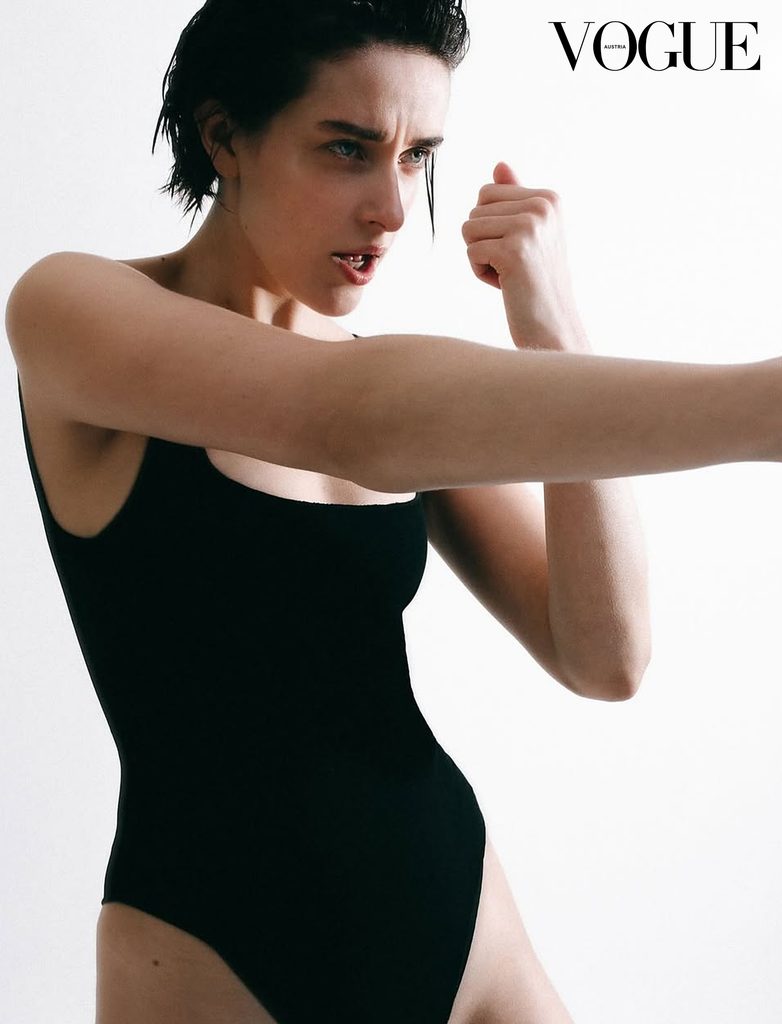
De Kock’s profile is therefore best approached not as a story of overnight transformation, but as a portrait of professional range. Her runway and editorial credits establish her place within the fashion image, while her reported beauty work broadens the frame to include the craft of styling itself. Together, these strands suggest an interest in how appearance is constructed and interpreted, whether through the line of a garment, the atmosphere of a photograph, or the details that shape a personal look.
In fashion, presence is more than simply being seen. It is the ability to contribute to an image with clarity, to adapt without losing individuality, and to understand the many hands involved in bringing a visual idea to life. Willemijn de Kock’s work sits within that wider creative process. Her career brings together modelling and beauty-related interests in a way that reflects the increasingly fluid boundaries of contemporary style, where the image is not an endpoint but the result of craft, collaboration, and a considered point of view.