The Cultural Meaning of Bridal Braids
Hair can carry a history of its own. Across cultures, braiding has marked life transitions, expressed identity, and preserved traditions through generations. For Ethiopian and Eritrean women, these meanings can be especially profound. They connect beauty with womanhood, family, and the enduring cultural identity of being Habesha.
On a wedding day, every detail often carries intention. A hairstyle can become more than an aesthetic choice. It can represent a quiet return to heritage.
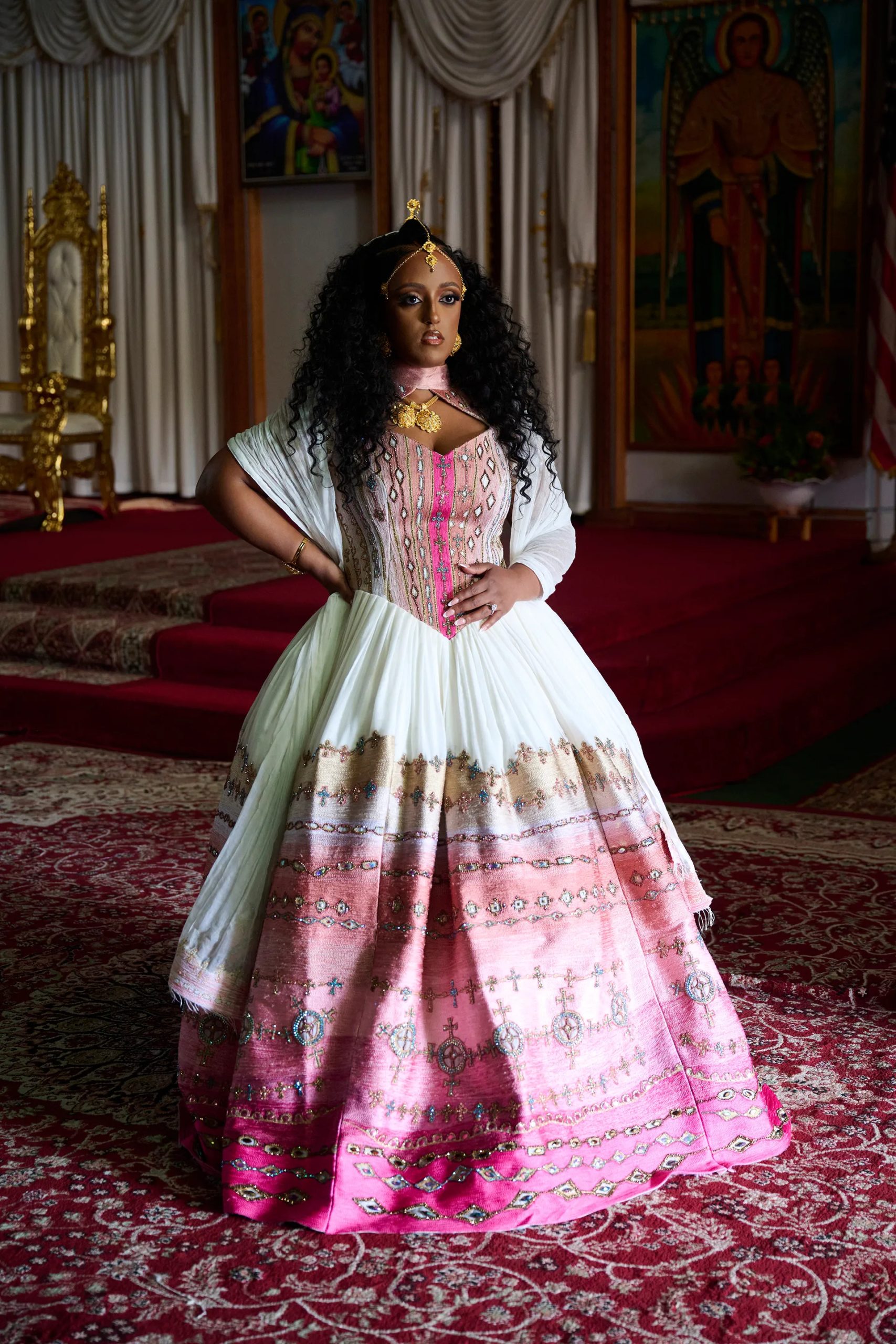
For one Ethiopian-Eritrean bride, wedding-day braids became precisely that. Rather than treating her hair as another element of bridal styling, she embraced a form of beauty rich in cultural memory. The result was understated yet expressive, bringing an ancient visual language into a contemporary celebration.
A Tradition Passed Through Generations
Braiding has historically held an important place in communities across Ethiopia and Eritrea. Hairstyles can communicate age, social identity, and stages of life. Particular techniques and patterns may also carry meanings that extend beyond fashion.
These traditions have evolved as families and communities have moved across borders. This has created diasporic experiences in which cultural practices can sometimes become less familiar in everyday life.
For women growing up between different cultural environments, returning to traditional beauty rituals can feel particularly meaningful. What may initially appear to be a hairstyle can represent reconnection, inheritance, and renewed appreciation for customs that risk being forgotten.
The Intimacy of Traditional Hair Styling
The bride’s wedding-day braids embodied the relationship between past and present. Their structured appearance brought precision to her bridal look. The craftsmanship also reflected the patience and care associated with intricate braiding.
There is something inherently intimate about the process. Unlike hairstyles created quickly with styling tools, intricate braids require time and concentration. The process also creates a physical connection between the person styling the hair and the person wearing it.
This experience can become part of the wedding ritual itself. Preparation transforms into a moment of connection.
That intimacy suits a ceremony centered on family and continuity. Weddings mark the passage from one stage of life to another, and traditional hair practices can reinforce that symbolism. The bride is not simply preparing to walk down the aisle. She is entering a new chapter while carrying elements of the generations that came before her.
A Different Vision of Bridal Beauty
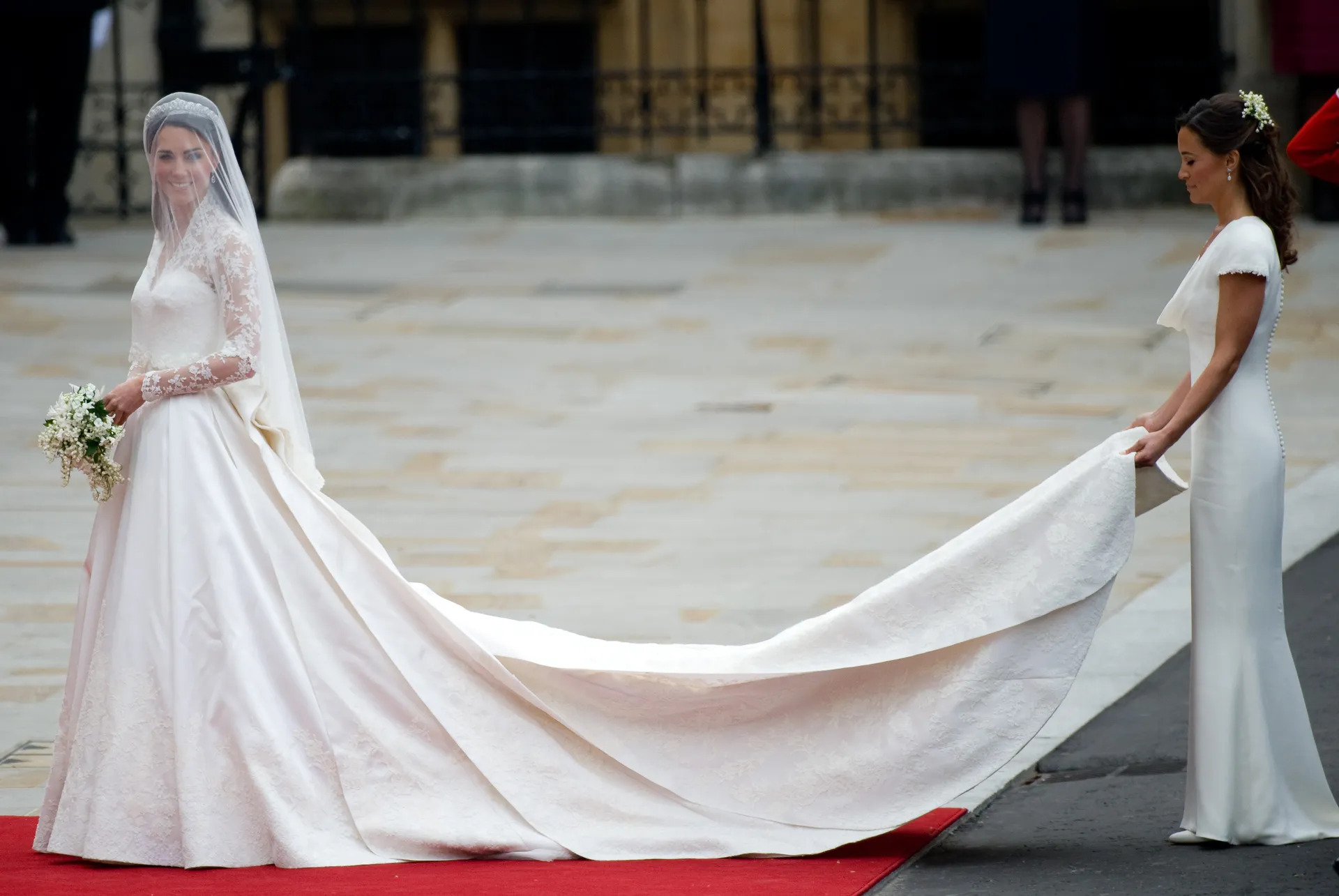
The braids also offer a striking alternative to conventional bridal beauty. Western wedding imagery has often emphasized loose waves, polished updos, veils, and romantic floral accessories. Traditional braids introduce a different kind of elegance, built around structure, texture, and cultural identity.
Rather than adapting the bride’s appearance to fit a familiar bridal template, the hairstyle allows her heritage to remain visible.
This distinction matters in contemporary bridal fashion. More brides now seek ways to make their weddings reflect their personal histories. Clothing, jewelry, textiles, makeup, and hairstyles can all acknowledge a bride’s background and the traditions she wants to carry forward.
Connecting Generations Through Heritage
For Ethiopian-Eritrean brides, traditional styling can provide a bridge between generations. Older relatives may recognize techniques and patterns connected to their own experiences. Younger family members can encounter those traditions in a new context.
The wedding therefore becomes more than a celebration of two people. It can also create a space where cultural memory becomes visible.
The possibility of reviving traditions that have faded from everyday life adds another layer of meaning. Cultural practices do not always disappear because people stop valuing them. Migration, changing beauty standards, and the pressures of assimilation can gradually push traditional rituals out of daily life.
Reclaiming these practices can consequently feel both personal and communal.
Blending Tradition With Contemporary Style
There is quiet confidence in choosing a traditional hairstyle for one of the most photographed days of a person’s life. The bride does not need to abandon contemporary fashion to honor her heritage. Both can exist together.
Her braids become part of a modern bridal image while retaining their connection to an older cultural vocabulary.
That balance gives the look its particular power. It does not rely on excess. Its beauty comes from craftsmanship, symbolism, and the knowledge that the hairstyle means more than its appearance.
Wedding photography can make these details especially significant. A dress establishes the silhouette, while jewelry adds its finishing sparkle. Hair frames the face and can immediately communicate identity.
When a hairstyle draws on cultural tradition, a photograph can preserve more than an aesthetic moment. It can also preserve a connection to heritage.
The Lasting Power of Habesha Bridal Beauty
For this Ethiopian-Eritrean bride, wedding-day braids represented a form of beauty that was both deeply personal and culturally resonant. They connected womanhood with ritual, contemporary bridal style with ancestral memory, and a new beginning with the traditions that helped shape it.
The hairstyle’s quiet power comes from its ability to communicate so much without demanding attention. The braids are beautiful, but their significance reaches further. They tell a story about identity, belonging, and the decision to carry something forward.
In that sense, the bride’s wedding-day hair was never simply about appearance. It was about where she came from, who she was becoming, and the cultural memory she chose to bring into the next chapter of her life.