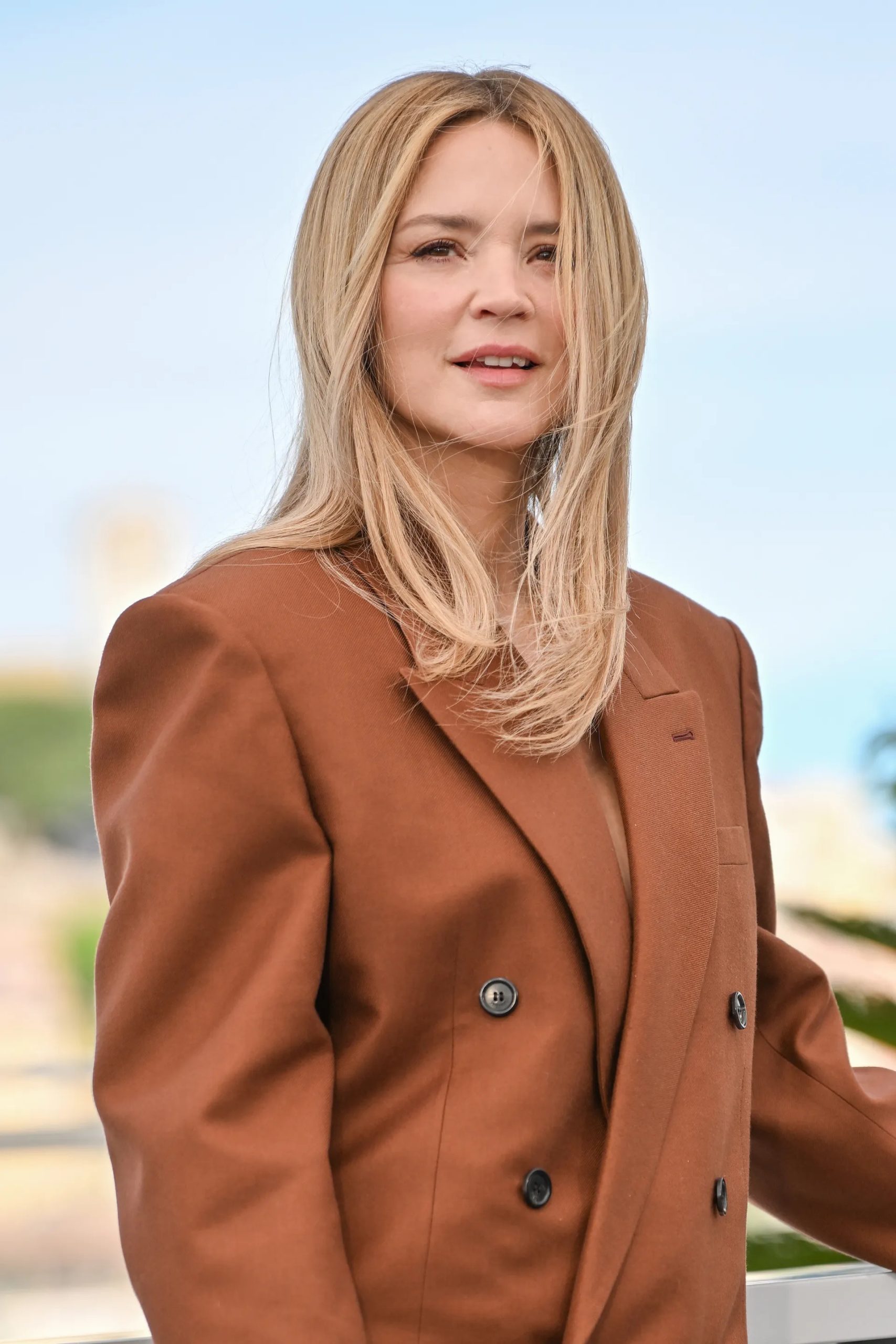
Virginie Efira takes on one of her most quietly compelling roles in All of a Sudden, the latest film from acclaimed Japanese director Ryusuke Hamaguchi, known internationally for films such as Drive My Car. Rather than relying on conventional drama or heightened spectacle, the film finds its emotional power in small encounters, human connection, and the delicate space between care and independence.
Efira plays Marie-Lou, the director of an eldercare home built around Humanitude, an unconventional philosophy of caregiving that places empathy, attentiveness, and personal connection at the center of daily life. In Marie-Lou’s world, looking after residents is not simply a matter of following schedules or maximizing efficiency. It is about recognizing people as individuals and giving them the dignity of being genuinely seen and heard.
That philosophy becomes particularly important as the story develops. Marie-Lou encounters Mari, a Japanese theater director portrayed by Tao Okamoto, and the two women gradually form a tentative friendship. Their relationship introduces a new emotional dimension to Marie-Lou’s carefully structured world, creating a space where cultural differences, personal histories, and different approaches to life can meet without requiring immediate resolution.
The film’s title reflects its interest in unexpected shifts. A seemingly ordinary moment can suddenly open the door to an entirely different emotional reality. Hamaguchi has become known for allowing conversations and relationships to unfold patiently, giving his characters room to reveal themselves through pauses, gestures, and seemingly understated exchanges. All of a Sudden continues that sensibility, favoring emotional observation over conventional cinematic excess.
For Efira, the role offers an opportunity to explore a character whose strength is expressed through restraint. Marie-Lou is responsible for an environment where the needs of others constantly demand her attention, yet the film also asks what happens when a person devoted to caring for others is confronted with a relationship that challenges her own emotional boundaries.
Humanitude provides the film with an especially intriguing foundation. The philosophy emphasizes communication through touch, eye contact, and attentive presence, suggesting that care can be about much more than practical assistance. By placing this approach at the center of the story, Hamaguchi creates a setting where questions about aging, dignity, friendship, and human connection naturally overlap.
Efira’s performance benefits from this understated framework. Instead of turning Marie-Lou into an overtly inspirational figure, she gives the character layers of uncertainty and complexity. Her expressions and silences become as meaningful as her dialogue, allowing the audience to understand the pressures behind her composed exterior.
The developing friendship between Marie-Lou and Mari is equally significant. Their connection is not presented as an instant transformation or an uncomplicated bond. Instead, it grows through curiosity and gradual trust. Their different cultural and professional backgrounds create moments of friction as well as discovery, reinforcing the film’s broader interest in the ways people can connect despite coming from seemingly distant worlds.
All of a Sudden also continues Hamaguchi’s fascination with communication. His films often examine how people reveal themselves through conversation, misunderstanding, silence, and the things they struggle to say directly. Here, those themes are placed within a story about caregiving, making the smallest interactions feel unusually important.
Efira has become one of European cinema’s most distinctive performers, moving comfortably between intimate dramas, romantic stories, and more psychologically demanding roles. Her presence in All of a Sudden gives the film a grounded emotional center, allowing its quieter ideas to resonate without becoming overly sentimental.
As a festival-season favorite, All of a Sudden stands apart through its patience and sensitivity. It is less interested in delivering easy answers than in observing the fragile connections that emerge when people allow themselves to be attentive to one another. Through Marie-Lou, Efira embodies that tension beautifully, portraying a woman whose professional commitment to caring for others begins to intersect with the unpredictable possibilities of friendship.
The result is a film that finds drama in ordinary human moments. Under Hamaguchi’s direction and through Efira’s restrained performance, All of a Sudden suggests that meaningful change does not always arrive with spectacle. Sometimes it appears quietly, through a conversation, a new friendship, or a moment when one person finally takes the time to truly see another.